
What is a Heat Pump and What Electrical Service Does It Need?
Regardless of the time of year, a heat pump is a versatile HVAC system that can both heat or cool your home through the transfer of warm/cold air from outdoors. Known for efficiency, a heat pump has the advantage of creating heat for your home without burning fuel. Instead, a heat pump system relies on electrical power to carry out its objective. Depending on the make and model, a heat pump may need its own dedicated circuit, which is something a licensed electrician should check. Read on as we’ll explore these specific electrical components, investigate whether your panel can handle the load from a heat pump, and why hiring a professional is always the right move when installing new electrical services.
Santella Electric Co, Inc.
The BEST QUALITY, ON-TIME Electrical Service & Repair Company in Fairfield County
Santella Electric is an electrical service and repair company servicing Fairfield County, CT. We have over 55 years servicing our local area, and we are owner operated.
We Offer
24/7 Emergency Services
Schedule A Service Call
Key Electrical Components of a Heat Pump Installation
While an inexperienced person should never carry out a heat pump installation, understanding the key electrical components will still make you a more educated owner.
A Dedicated Circuit Just for the Heat Pump
Most heat pumps need their own dedicated circuit, meaning that circuit powers the heat pump and nothing else. This helps the system run reliably and keeps your home’s wiring from being overloaded. The exact circuit and breaker your unit needs depends on its make and model, so this is something only a licensed electrician should work out and install.
The Manufacturer’s Electrical Requirements
Every heat pump comes with electrical requirements from the manufacturer, listed on a label on the unit. A licensed electrician uses that information to make sure the system is set up safely and correctly, so it isn’t something homeowners need to figure out on their own.
Wiring That Fits Your System
Not all heat pumps or circuits are created equal, and the wiring that feeds your system has to be the right fit for it. Wiring that doesn’t match the unit can overheat and become a fire risk, which is why this decision belongs with a professional.
Outdoor Disconnect Near the Condenser
Heat pumps benefit tremendously from having an outdoor disconnect box that is easier to reach compared to hunting down the main electrical box. Not only does a safety measure like this make sense, but is also required per national codes. For any of this work, call a licensed electrician like Santella Electric.
Become A Safety Club Member
We offer our customers the peace of mind by being part of our maintenance program, a Safety Club Member. This program provides an annual safety home inspection each year you are a member in addition to the benefits of:

Can Your Electrical Panel Handle a Heat Pump?
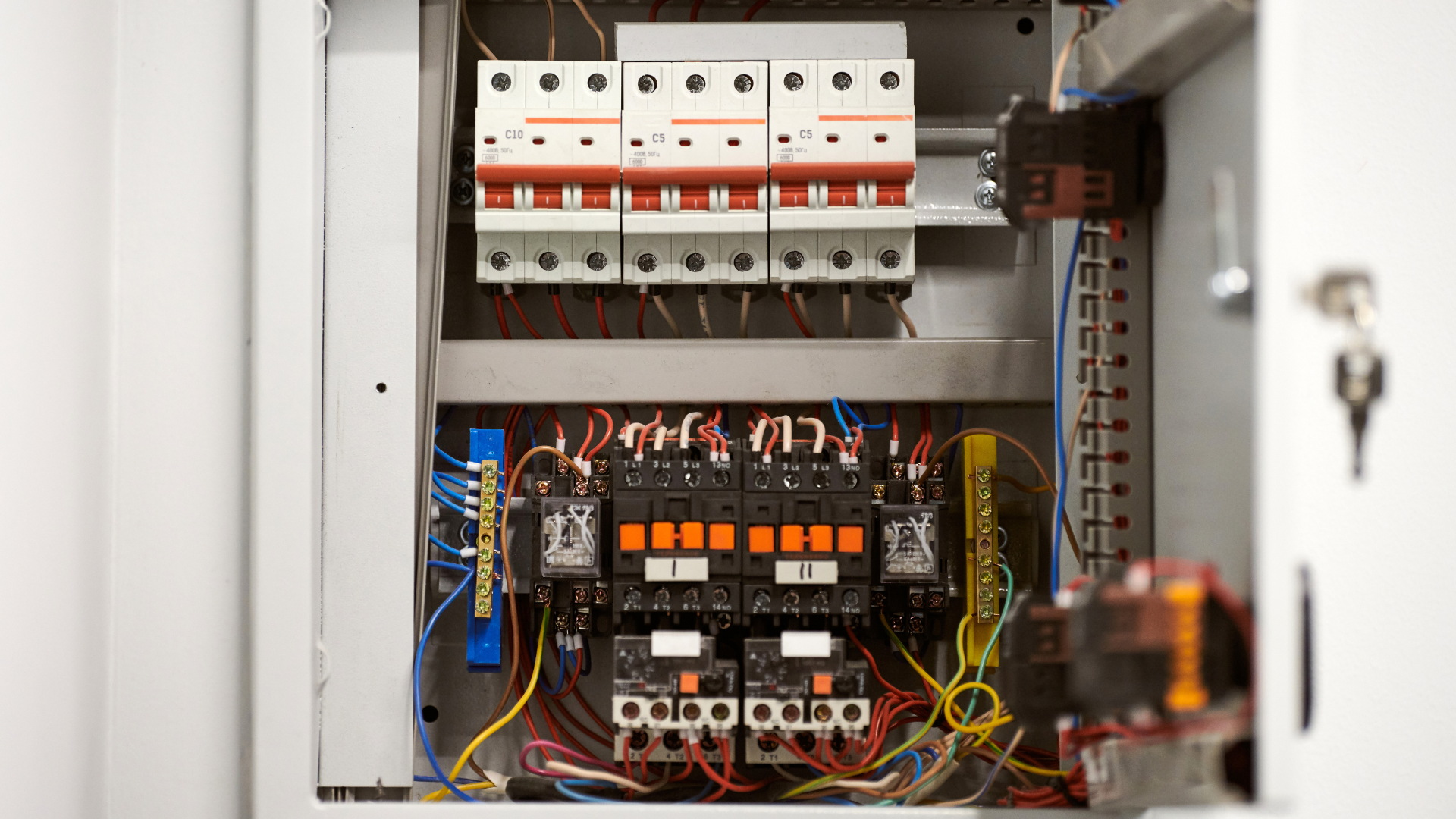
With an understanding of some of the electrical components below the surface, naturally one asks if their electrical panel can handle a heat pump.
Whole-Home Heat Pump Systems
A whole-home heat pump system uses a fair share of electricity, and not every home’s electrical panel can handle that without upgrades. A licensed electrician can check your panel and let you know whether it’s ready.
Backup Heat Strips
Many heat pumps include backup heat strips that kick in on the coldest days. They add to the power your system uses, so they matter when deciding whether your panel can keep up. An electrician will take them into account.
When Your Electrical Service Needs an Upgrade
Sometimes adding a heat pump means your home’s electrical service needs an upgrade. Smaller units may work with the service you already have, while larger units and especially whole-home systems often need more capacity. A professional can tell you which applies to your home and handle the upgrade for you.
Ductless Mini-Split Systems
Ductless mini-split systems are another option. They’re generally smaller and can be spread throughout the home, but they still need their own circuits rather than sharing with other appliances or lights. Bringing in a professional is the best way to ensure such a system is handled correctly. For this, call a licensed electrician like Santella Electric.
Why Heat Pump Wiring Requires a Licensed Electrician and Permit in Connecticut
In a state like Connecticut, not everyone is legally allowed to install something like a heat pump. Given the high electrical loads a heat pump pulls, bringing in a licensed professional for installation is required by state codes, who then must adhere to national standards. Along with professional installation, mandatory inspections are also required by the state to ensure all systems are properly installed and free of hazards. This is a good reminder for how serious electrical installation can be between electrocution hazards for the workers and fire risks for occupants thereafter.

Schedule Heat Pump Electrical Service with Santella Electric Today
If you’re in the market for heat pump electrical services around Connecticut, look no further than the professionals at Santella Electric. With years of experience navigating all things electrical, our team can solve any problem you throw their way. From ensuring your electrical system can handle the pull of a heat pump to crucial modifications/improvements to do so safely, we at Santella Electric can do it all. Call or go online today to get your day with a licensed electrician on the books!
Recent Comments