
General Charger Maintenance
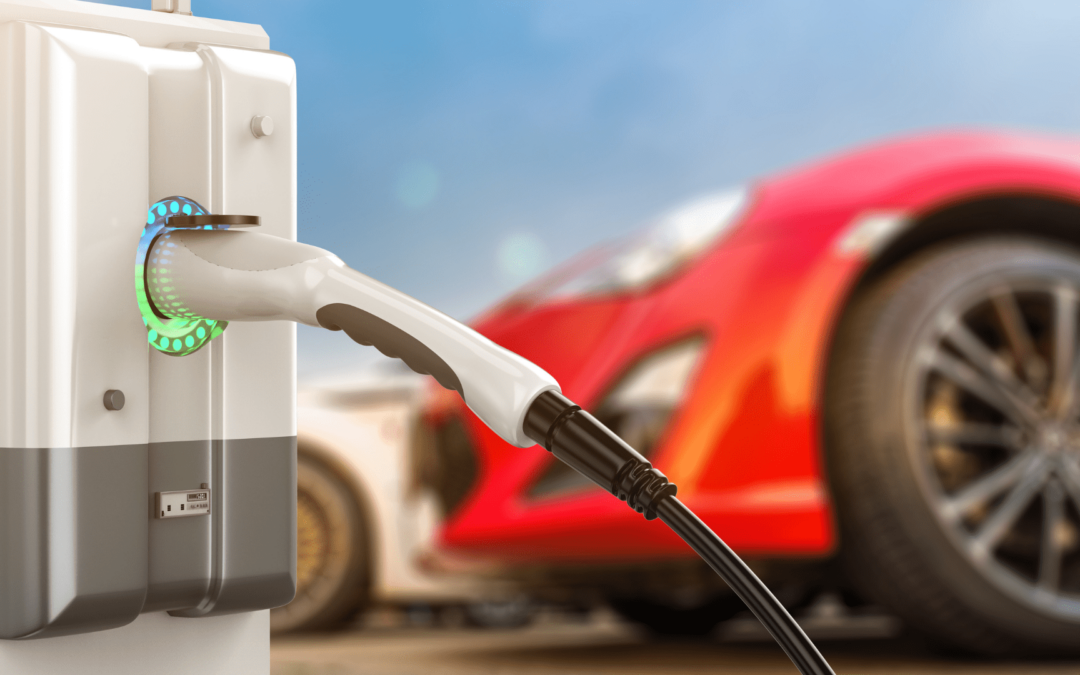
General maintenance for charging stations includes storing charging cables securely, checking parts periodically, and keeping the equipment clean. Chargers may need repairs every now and then as well. Industry experts advise budgeting around $400 for upkeep and maintenance each year. Many EV charger networks provide a package covering general maintenance for an extra yearly charge.
Now that we’ve covered general EV charger maintenance, we can discuss the differences in charging station maintenance for different types of EV charging stations.
Level 1: Non-Networked Chargers
Level 1 EV chargers are usually used for personal use and will typically be found in private dwellings. Generally, these chargers require little maintenance. The U.S. Department of Energy recommends regularly changing the commercial-grade electric outlet into which the device is fitted. This usually costs around $100.
Level 2: Non-Networked Chargers
Level 2 EV chargers can be found in both private dwellings and public charging stations. Level 2 charging stations are prone to component failure because of their size and complexity. Since they are located at public stations, they will need additional care due to frequent usage. External factors such as weather and climate can affect the charger’s condition and need for maintenance especially if it’s not covered. You should regularly clean these charging units with a moist cloth and inspect parts for wear and tear.
Level 3 Chargers
Level 3 chargers such as superchargers and DCFC stations will require more maintenance and repair over time. The intricacy and complexity of these devices cause them to have much more upkeep compared to Level 1 and Level 2 chargers. Superchargers and DCFC stations require filters, cooling systems, and other complex hardware that need routine care. It’s recommended owners of Level 3 charging stations create a service schedule with manufacturers before installation.
Networked Chargers
Networked charging stations are part of an infrastructure system of linked chargers. These units have additional electrical features such as touchscreens, buttons, and credit card processing software. These units may require other maintenance and repair services over time. An electrician who is competent with EV charger maintenance can resolve most networked EV charging stations issues. Frequent technical debugging and manual system resets may also be needed.
Tesla Charging Station Maintenance
Tesla owns and operates the largest global, fast charging network in the world with their 35,000+ Superchargers. Superchargers can charge your EV even while you’re away from home since they are located on major routes near convenient amenities. Superchargers are ideal for long distance travel and are designed to charge your Tesla quickly and efficiently. So, what we mentioned before regarding maintenance for Superchargers and networked charging stations can be applied to Tesla Superchargers. Even though Superchargers are Tesla’s specialty, they still offer home charging options as well. We do have pointers on how to maintain those charging options as well.
Tesla chargers communicate via flashes of red light. It’s important to pay attention to the number of flashes since it can tell you about the problem your device is facing. You can learn more about this in your charger’s installation manual.
If you are experiencing a serious issue with your charger, you should contact a Tesla certified professional. Specialists have the necessary expertise to handle maintenance and or repairs. They can determine what needs to be done with your charger, so you can use it safely, and for as long as possible.
Contact Santella Electric for Your EV Charging Needs!
By now you understand what maintenance can look like for your EV charging station. It’s really a range depending on a variety of factors. But if you are having an issue with your EV charging station and you’re not sure how to resolve it, please reach out to a professional. You don’t have to look any further than Santella Electric! We are here to take care of your electric needs. No matter the issue, we can provide you with a solution. Please don’t hesitate to reach out today!



Recent Comments